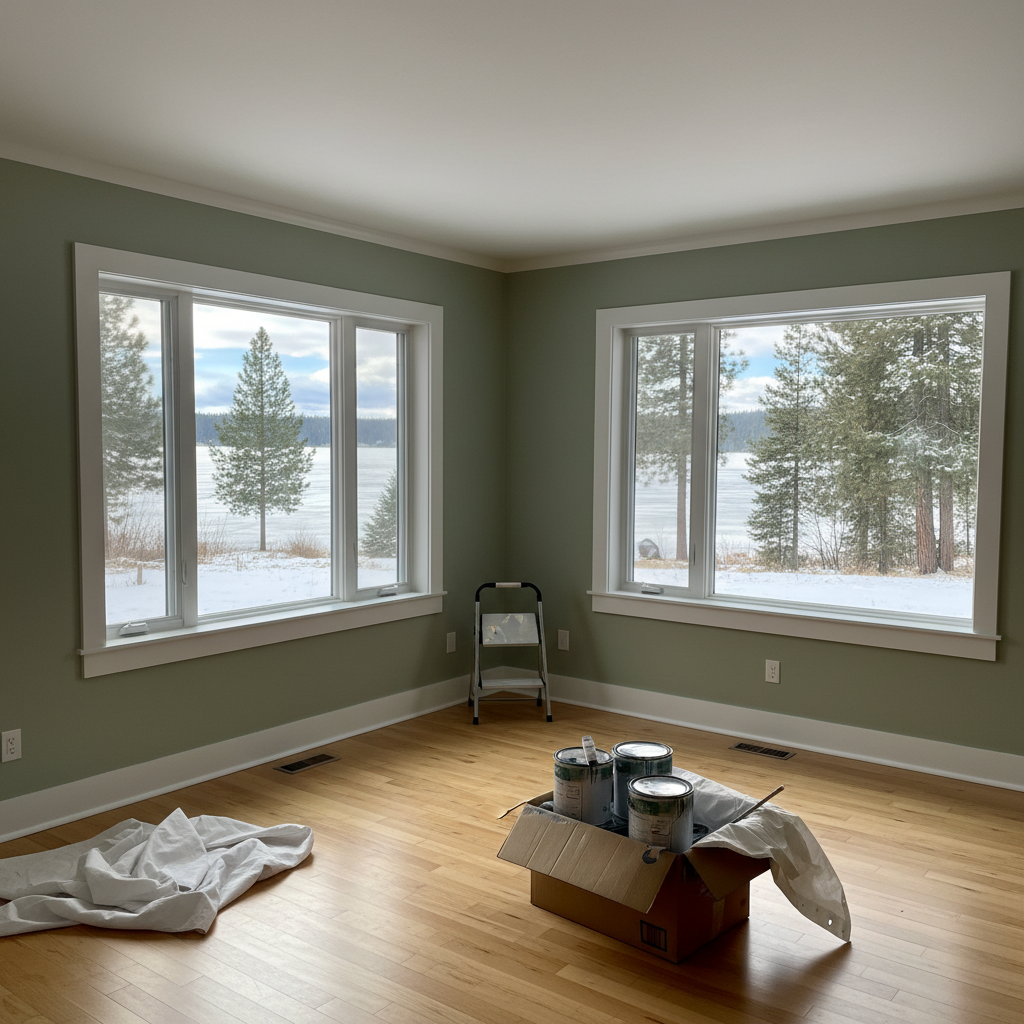
Alright, let's talk about painting inside your home here in Coeur d'Alene. Lots of people figure interior work is just a "whenever" kind of job, not really tied to what the weather's doing outside. And yeah, you *can* paint indoors any time of year. But if you're aiming for the best results, a finish that truly lasts, and want to spare yourself some headaches, there are definitely better times to get it done. It's not just about picking a color, you know? It's about understanding how our unique North Idaho climate actually affects the paint on your walls.
When's the Best Time to Paint Indoors in Coeur d'Alene?
Honestly? The shoulder seasons are your best bet. I'm talking late spring, early summer, and then again in the fall. Why these times, specifically? It all comes down to humidity and keeping the temperature just right. During these months, the air outside usually isn't too hot, too cold, or too humid. That means you can throw open windows and doors for some really good ventilation without having to fight extreme temperatures.
Good ventilation is absolutely crucial for paint to dry and cure correctly. It helps get rid of those paint fumes, sure, but more importantly, it lets the moisture in the paint evaporate at a nice, steady, even rate. This leads to a harder, more durable finish. If paint dries too fast, you might see cracking; if it dries too slowly, it stays soft and is prone to dings and scratches. Not ideal.
How CDA Weather Affects Your Interior Paint Job
Our Coeur d'Alene weather can be pretty dramatic, right? We get those hot, dry summers and then the long, damp, cold winters. Both of these extremes can really mess with your interior paint if you're not careful.
- Summer Heat & Dryness: When it's 90 degrees and sunny, like we often see in July and August, the air inside your house can get super dry, especially if you've got the AC blasting. Paint can dry way too quickly in these conditions. This rapid drying can lead to brush marks, lap lines, and sometimes even premature cracking or poor adhesion because the paint just doesn't have enough time to level out or bond properly. You might think, "great, it's dry fast!" but "dry" isn't the same as "cured."
- Winter Cold & Humidity: On the flip side, our winters are cold and often damp. Think about those weeks where it's 20 degrees and snowing, or just grey and rainy for days on end. If you're trying to paint then, and you've got all the windows shut tight to keep the heat in, you're trapping humidity inside. Paint needs to release moisture to dry. High humidity slows this process way, way down. It can mean longer drying times between coats, a softer film that's more easily damaged, and in extreme cases, even mildew growth if the conditions are really bad and the paint isn't fully curing. Plus, painting in a cold room isn't much fun, and paint doesn't flow as well when it's cold.
- The Ventilation Factor: This is huge. Being able to open windows and doors without freezing or baking your house is a game-changer. It helps with off-gassing and makes sure that drying happens steadily. If you're painting in the dead of winter or peak summer, you'll have to rely more on fans and potentially dehumidifiers or humidifiers to control the environment. It's just more work, more energy, and more potential for issues, wouldn't you agree?
Protecting Your Investment Year-Round
Once your interior paint job is done, you want it to last, right? Here's how you can protect that fresh look, especially with our local climate in mind:
- Give it Time to Cure: Paint might feel dry to the touch in a few hours, but it actually takes weeks, sometimes even a month, to fully cure and harden. During this time, be gentle. Avoid leaning heavy furniture against walls, scrubbing new paint, or hanging pictures immediately.
- Control Indoor Climate: Try to keep a consistent temperature and humidity level in your home. Extreme swings aren't good for paint, or for your home's structure in general, for that matter. In winter, if your home gets really dry, a humidifier can help prevent wood trim from shrinking and cracking, which in turn protects the paint. In summer, good ventilation helps prevent moisture buildup that could affect paint adhesion over time.
- Clean Gently: When you need to clean your walls, use a soft cloth and mild soap and water. Harsh chemicals or abrasive sponges can damage the paint film, especially if it hasn't fully cured.
- Address Leaks Promptly: This might seem obvious, but with our winter snowmelt and spring rains, water intrusion is a real threat. A leaky roof or window seal can quickly ruin a perfectly good paint job, leading to stains, peeling, and mildew. If you live in an older home, maybe up on Canfield Mountain, you know how crucial it is to keep an eye on your roof and flashing.
- Touch-Up Smart: Keep a small amount of your leftover paint. If you get a ding or a scuff, a quick, careful touch-up is much better than letting a small blemish grow into a bigger eyesore. Just make sure the surface is clean and dry before you touch it up.
Look, interior painting is a big investment in your home's comfort and value. By understanding how Coeur d'Alene's seasons impact the process and the final product, you can make smarter decisions about when to schedule your project and how to care for it afterward. If you're thinking about a refresh and want to make sure it's done right, give Coeur d'Alene House Painters a call. We've seen it all and we know how to get that perfect finish, no matter the season.