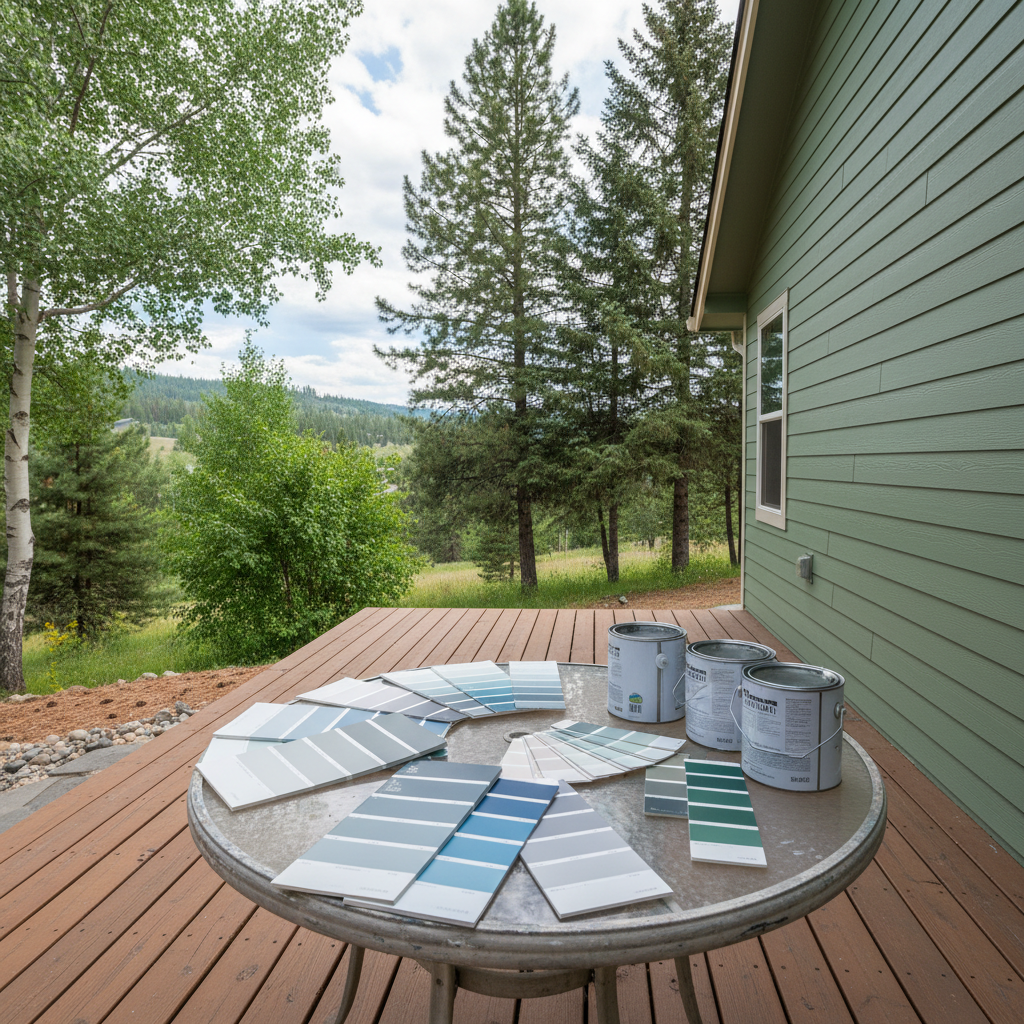
So, you've just finished up that color consultation, right? Maybe you landed on the perfect warm gray for your living room, the kind that just pulls everything together, or perhaps a really bold accent color that makes your kitchen pop. You love it, naturally, and you want it to stay looking fantastic for as long as possible. That's smart thinking, because even the best paint job needs a little TLC, especially with our Coeur d'Alene weather. I've seen countless homes, from the older beauties in the Fort Grounds to the newer builds up in Hayden, and good maintenance truly makes all the difference.
Making Your Paint Last Longer
The biggest thing you can do to get your paint to last is to start with quality. That means solid prep work and good paint, which is always our goal here at Coeur d'Alene House Painters. But once we're done, keeping it looking sharp is really up to you. For inside, that means being careful about scuffs and dings. For outside, it's all about protecting it from the elements.
- Interior Paint: Keep an eye on those high-traffic spots. Hallways, doorframes, and around light switches are usually the first places to show wear. A quick wipe with a damp, soft cloth often takes care of minor marks. For tougher spots, a little mild soap and water can work wonders, but always, always test it in a hidden area first. You definitely don't want to accidentally rub off the finish.
- Exterior Paint: This is where Idaho's climate really shows its teeth. Our tough winters, full of snow and ice, followed by those hot summers, can be brutal on paint. Regular cleaning is absolutely key. I'm talking about a gentle wash down with a hose and a soft brush once a year, maybe in the spring after the last snow melts. Get rid of any dirt, pollen, or mildew that's trying to make itself at home.
What Regular Maintenance Looks Like
Maintenance isn't some huge, awful chore if you just stay on top of it. Think of it like taking care of your car – a little regular attention now prevents bigger headaches down the road.
- Interior: Dusting walls, especially in those spots where dust loves to gather, like above doorframes or on baseboards, helps stop grime from building up. If you've got kids or pets, you'll likely be doing more spot cleaning, won't you? Keep a small amount of your leftover paint for touch-ups. Label it clearly with the room and date, so you don't forget what's what later.
- Exterior: Beyond that yearly wash, check your gutters. Clogged gutters can cause water to spill over and run right down your siding, leading to streaks, mildew, and paint failing way too soon. Trim back any bushes or trees that are constantly rubbing against your house. That friction will wear away the paint faster than almost anything. Also, take a good look at your caulk. If it's cracking or pulling away around windows and doors, that's an open invitation for moisture, which is bad news for both paint and wood.
Signs of Trouble to Watch For
You don't need to be a painting expert to spot a problem. Your house will actually tell you when something's wrong, if you just know what to look for.
- Interior:
- Fading: If a wall that gets a lot of direct sunlight looks noticeably lighter than other parts of the room, that's fading. It means the UV rays are breaking down the paint pigments.
- Peeling or Flaking: This usually points to moisture issues or poor adhesion when the paint was first put on. Don't ignore it.
- Cracks: Small, hairline cracks might just be your house settling, but larger, spreading cracks could signal structural movement or a problem with the drywall.
- Exterior:
- Chalking: When you run your hand over the paint and a powdery residue comes off, that's chalking. It's a sign the paint is breaking down from too much sun.
- Cracking, Peeling, or Blistering: These are all big red flags. Peeling often means moisture is trapped behind the paint, while blistering can come from heat or moisture.
- Mildew/Mold: Dark, splotchy areas, especially on shaded sides of the house or near downspouts, mean you've got mildew. It's not just ugly; it can actually damage the paint and the surface underneath.
When It's Time to Call a Professional
Listen, sometimes a quick touch-up is all you need. But there are definitely times when it's just better to bring in the pros. If you see widespread peeling or cracking, especially on the outside of your home, that's usually a sign that the surface needs more than just a new coat of paint. It might need scraping, sanding, priming, and a full repaint to ensure everything sticks properly and lasts.
If you're dealing with persistent mildew, or if you're just not sure why your paint is failing, give us a call. We can come out, assess the situation, figure out the root cause, and then recommend the right solution. It's always better to tackle these issues early rather than waiting until they turn into bigger, more expensive problems. We're here to help you protect your investment and keep your Coeur d'Alene home looking its absolute best.