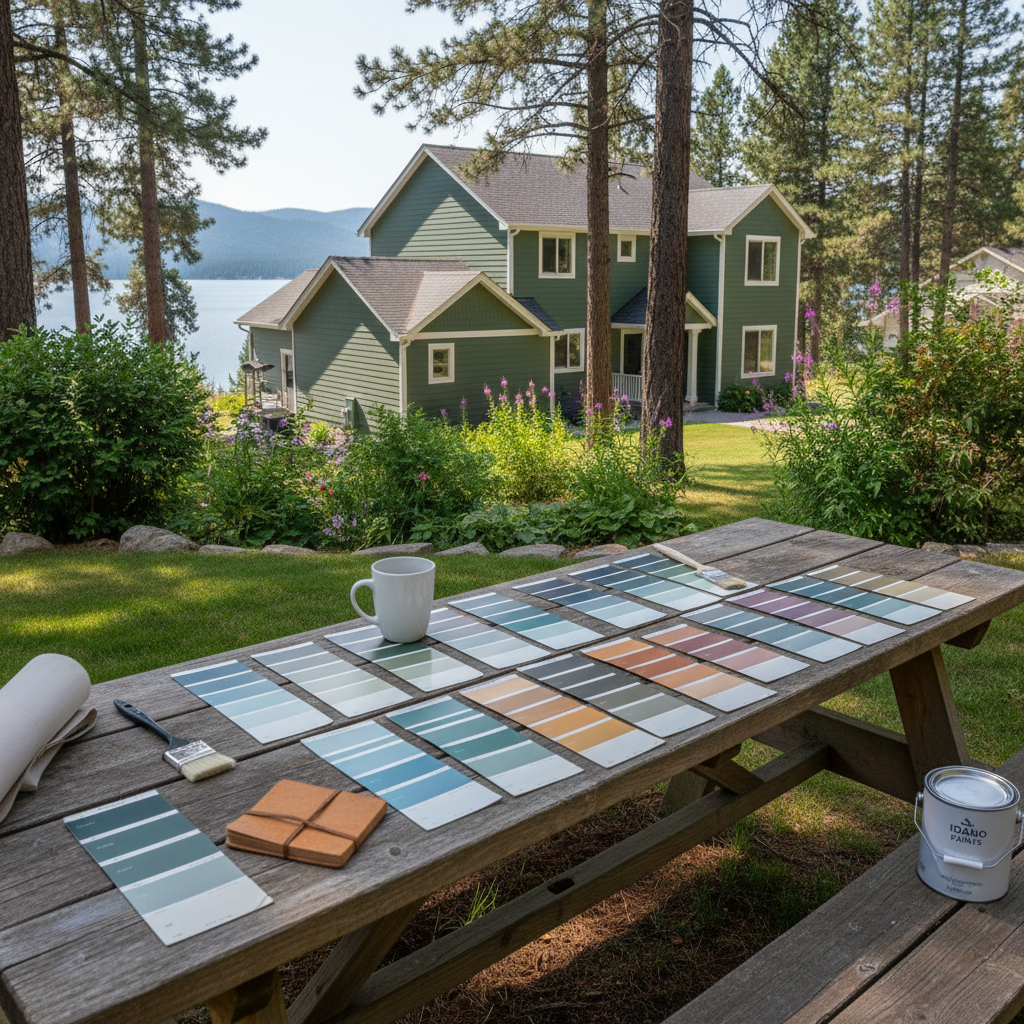
So, you've just put good money into a fresh paint job for your Coeur d'Alene home, right? Whether it was a quick interior refresh or a whole new look for the outside, that's fantastic! But honestly, getting the paint on the walls is only half the battle. If you want those colors to stay vibrant and really protect your investment, you've got to give them a little attention. I've personally seen too many folks watch a perfectly good paint job go downhill just because they weren't sure what to look out for. Let's chat about how to keep your paint looking sharp for years to come.
Making Your Paint Job Last Longer
The truth is, the best way to extend your paint's life actually starts before the first brushstroke. Good prep work is absolutely crucial. But even after the job's done, there are still things you can do. For exteriors, take a look at your landscaping. Are bushes or trees constantly rubbing against your house? That'll wear down paint faster than almost anything else. Keep them trimmed back a few inches. Also, double-check that your gutters are clear and draining properly. Water overflowing and constantly running down your siding is a guaranteed recipe for peeling and mildew, especially on those north-facing sides of homes in places like Hayden Lake where things tend to stay damp.
Inside, it's mostly about being careful. Try not to drag furniture against walls; use those little furniture pads. And if you've got kids or pets, you know accidents are just part of life. Keeping a small amount of leftover paint for touch-ups? That's a real lifesaver. Just make sure you store it correctly – in a cool, dark spot, sealed up tight. Don't leave it in the garage where it'll freeze solid in winter and bake in the summer heat.
Routine Maintenance: What You Should Be Doing
This isn't exactly brain surgery, but it genuinely makes a huge difference. For exterior paint, a gentle wash once a year can work wonders. Grab a soft brush or use a power washer on a very low setting (and I mean *low*, you don't want to blast the paint right off!) with some mild detergent. This gets rid of all that dirt, pollen, and cobwebs. It's extra important for homes tucked away in the trees around Lake Coeur d'Alene, where sap and other organic gunk can really build up.
Inside, it's mostly about cleaning up spots. A damp cloth with a tiny bit of mild soap usually handles scuffs and fingerprints just fine. Don't scrub too hard, though, or you might burnish the paint, especially if it's a flatter finish. If you've got semi-gloss or satin, it can take a bit more elbow grease.
Warning Signs: When to Take Notice
Your paint job will actually tell you when it's having trouble; you just need to know how to interpret the signs. Here are some big red flags:
- Fading or Chalking: If your exterior paint is losing its bright color, or if you can wipe off a powdery residue, that's chalking. It means the paint is breaking down because of sun exposure. It's not an emergency right away, but it signals that the paint is getting old and losing its protective qualities.
- Cracking or Peeling: This one's a serious issue. Cracks, even tiny hairline ones, can let moisture seep in. Peeling means the paint isn't sticking to the surface anymore. If you spot this, especially on wood trim or siding, you've got a problem that needs fixing pretty quickly.
- Mildew or Mold: See any black, green, or fuzzy spots? That's mildew or mold. It loves damp, shady areas. Not only does it look terrible, but it can also damage the paint film and the surface underneath. Small spots can often be cleaned with a bleach solution, but if it's widespread, you might have a bigger moisture problem on your hands.
- Blistering: Bubbles forming under the paint are called blisters. This usually means moisture is trapped underneath, often from humidity or water getting behind the paint film. When those blisters pop, well, you've got exposed surfaces.
When It's Time to Call a Professional
Look, I'm a big fan of DIY when it makes sense, but sometimes you just need to bring in the experts. If you're seeing extensive peeling, cracking, or blistering over large parts of your home, it's probably time. These kinds of issues often point to deeper problems with moisture or how the surface was prepped, and those really need an expert to diagnose and fix before you repaint.
If you're dealing with mildew that just keeps coming back after you clean it, or if you suspect water is getting in somewhere and causing your paint problems, you should absolutely get a professional opinion. Sometimes, it's not just about the paint; it could be a leaky roof, damaged siding, or poor ventilation that's the real culprit.
And, of course, if you're simply tired of the color or your home's exterior just looks a bit dull after ten years or so, that's when you call Coeur d'Alene House Painters. We can check out the condition, suggest the right solutions, and get your home looking its absolute best again. Don't wait until the damage is severe; a little proactive maintenance and knowing when to ask for help can save you a ton of headaches and money down the road.